What is Bitcoin?
Bitcoin is a digital currency created in 2009 by an unknown person or group under the pseudonym Satoshi Nakamoto. Unlike traditional currencies, Bitcoin is not controlled by any central bank or government.
Bitcoin works with a decentralized network technology called blockchain, which allows people to send and receive money directly without intermediaries like banks.
How to Buy
Quick guide with two easy ways: buy Bitcoin on an exchange or invest through ETPs/ETFs.
 GUIDE: What is Dogecoin?
 GUIDE: What is Official Trump (TRUMP)?
 GUIDE: What is TRON (TRX)?
 Guide: what is the Bitcoin halving?
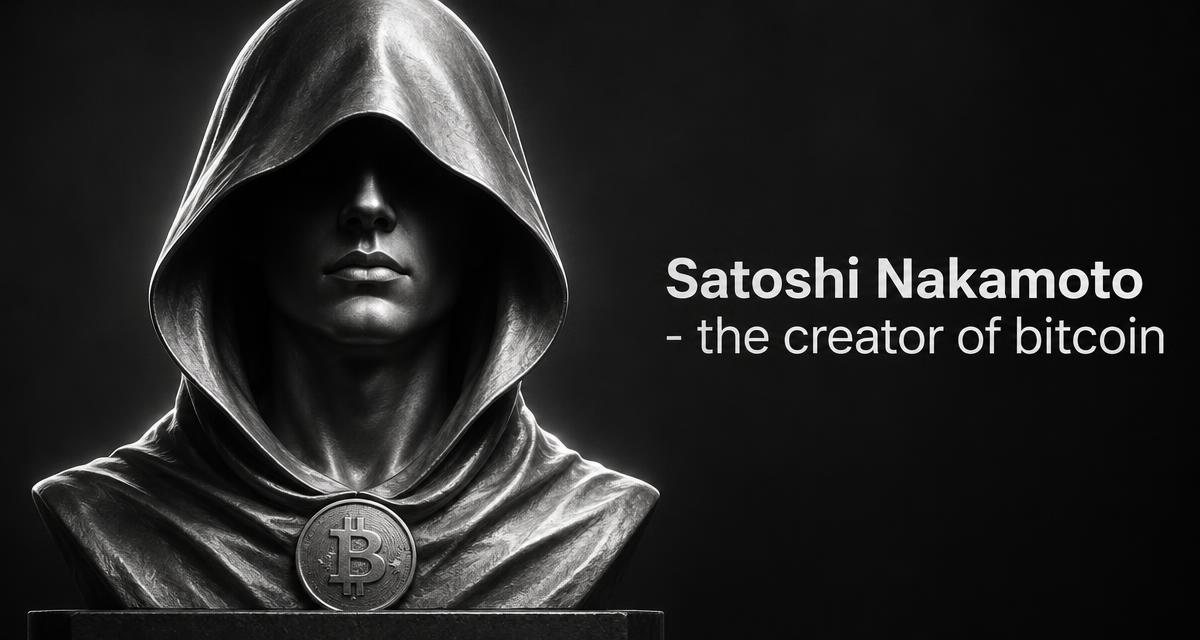 Satoshi Nakamoto: the creator of Bitcoin
 GUIDE: How MiCA works
 GUIDE: What is blockchain?
 GUIDE: How does Bitcoin mining work?
 GUIDE: How does a Bitcoin casino work?
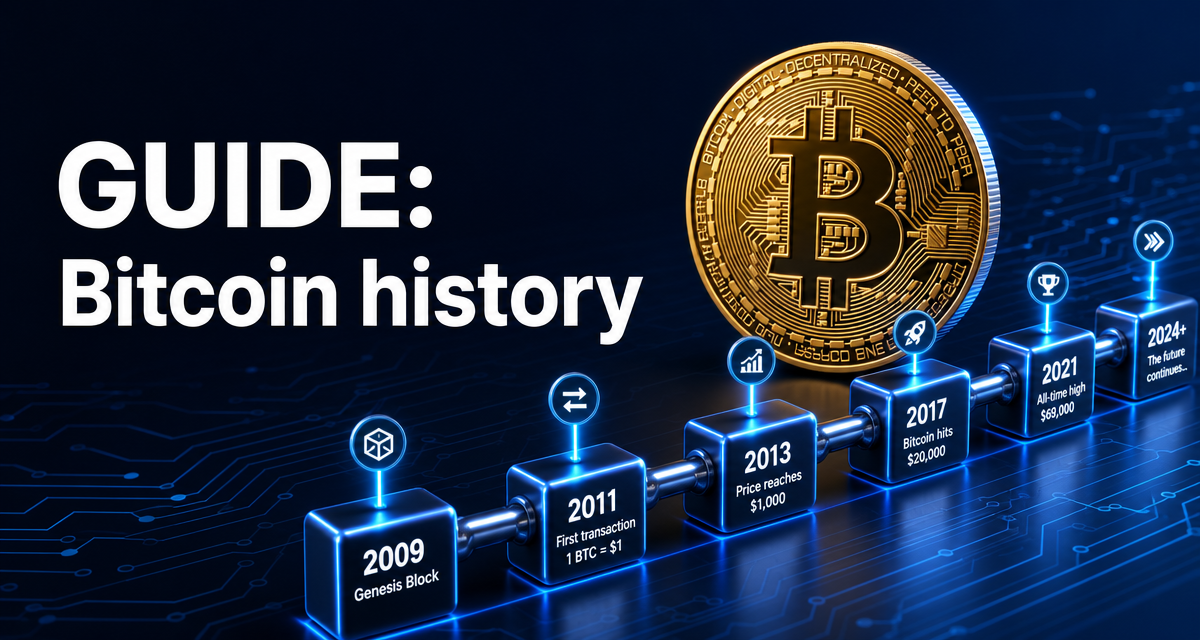 GUIDE: The History and Evolution of Bitcoin
 GUIDE: Ethereum, the world's second-largest cryptocurrency
 GUIDE: What is a cryptocurrency?
 GUIDE: How Solana Works
 GUIDE: What is Ripple's XRP?
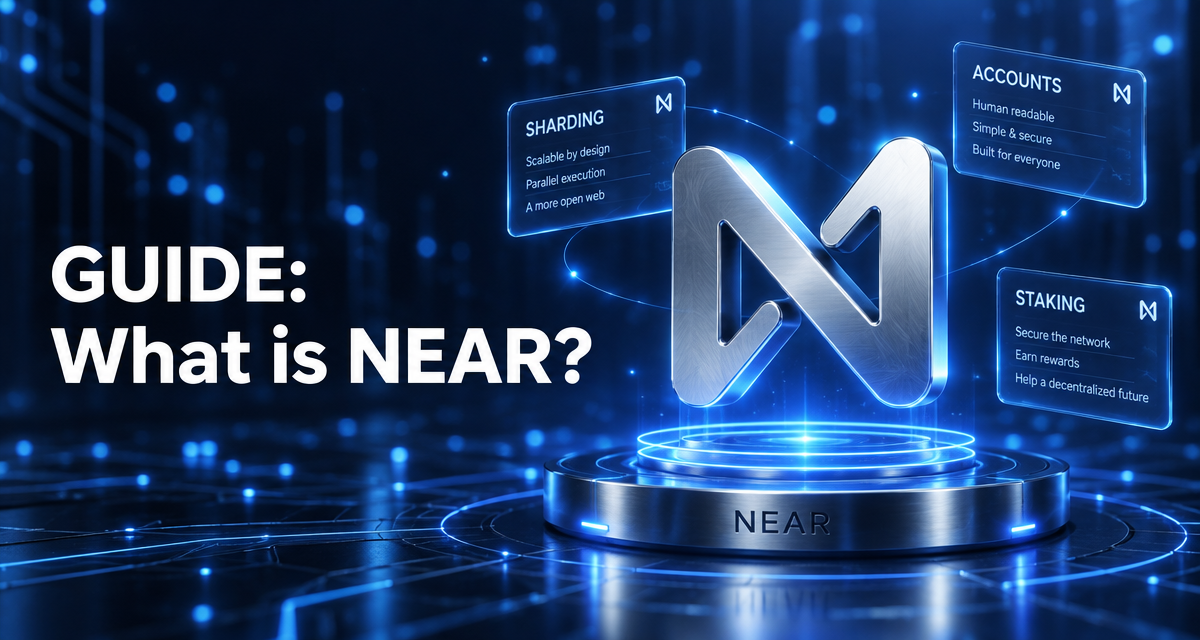 GUIDE: What is NEAR Protocol?
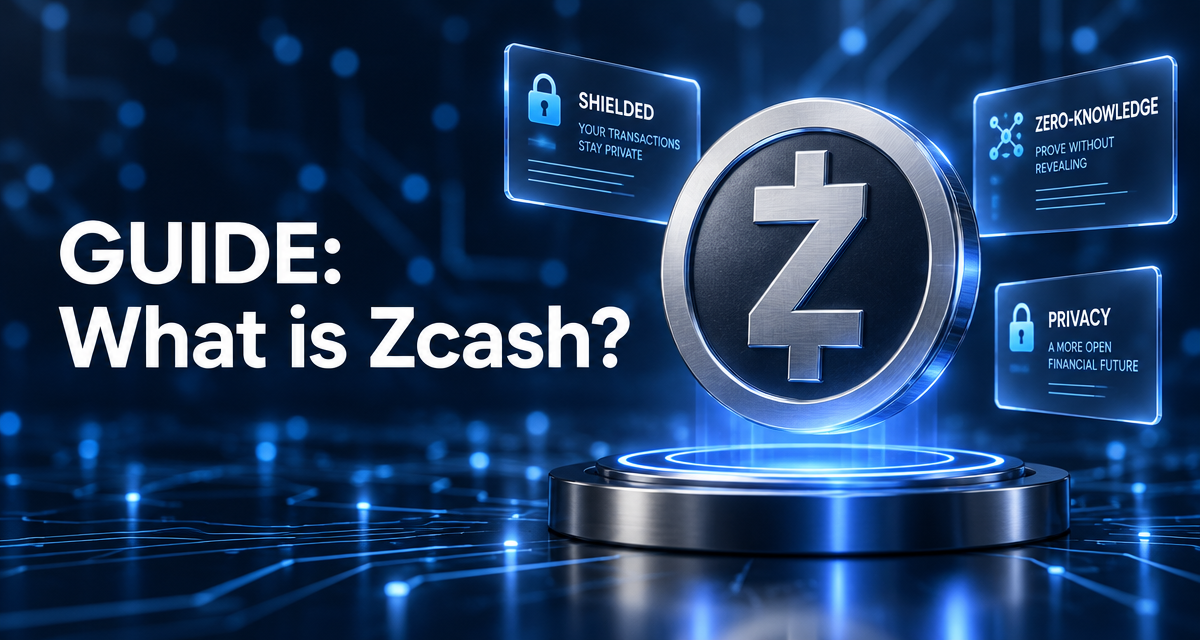 GUIDE: What is Zcash?
 GUIDE: What is Hyperliquid HYPE?
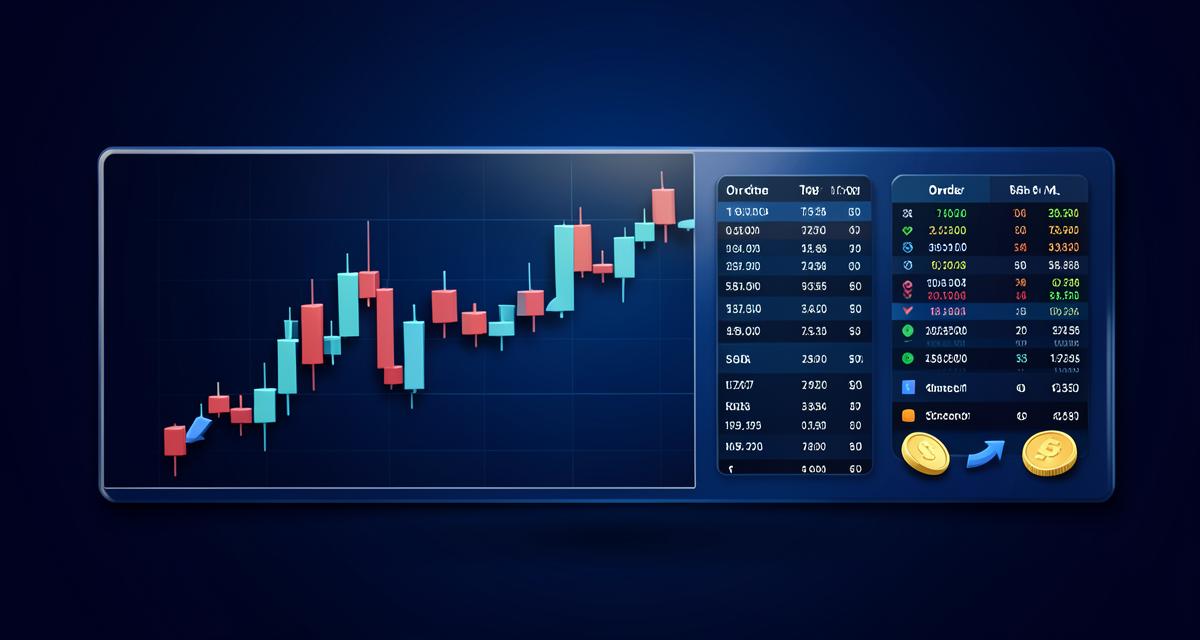 GUIDE: How a cryptocurrency exchange works
 GUIDE: What is DeFi?
 GUIDE: The 10 Largest Cryptocurrencies of 2026
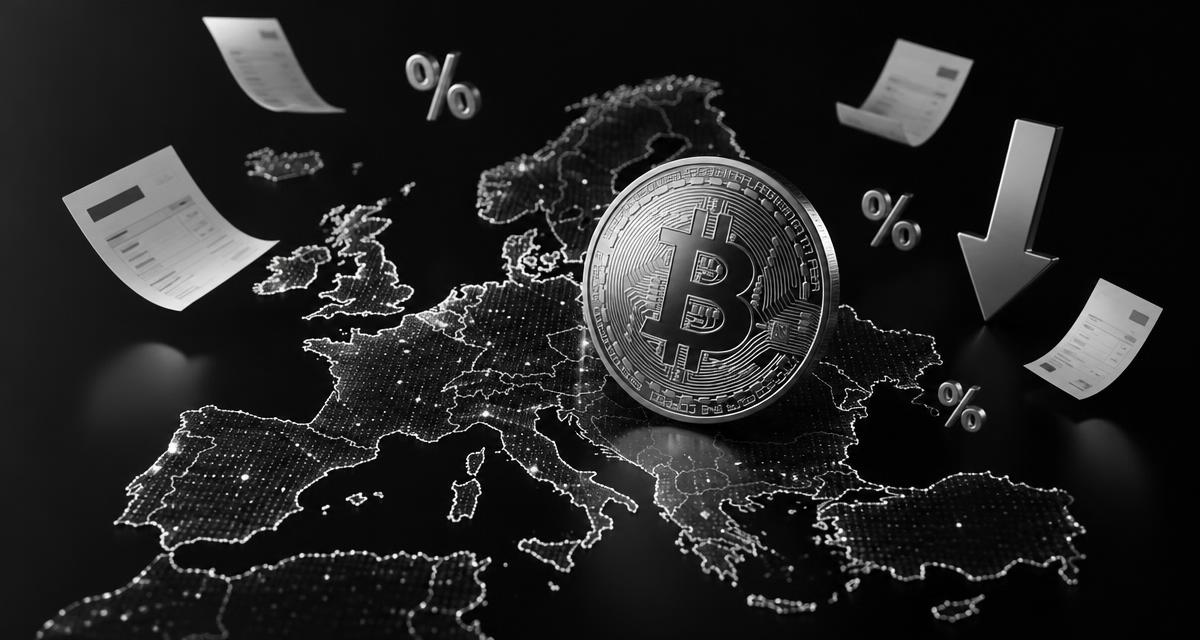 Countries with the lowest Bitcoin taxes in the EU
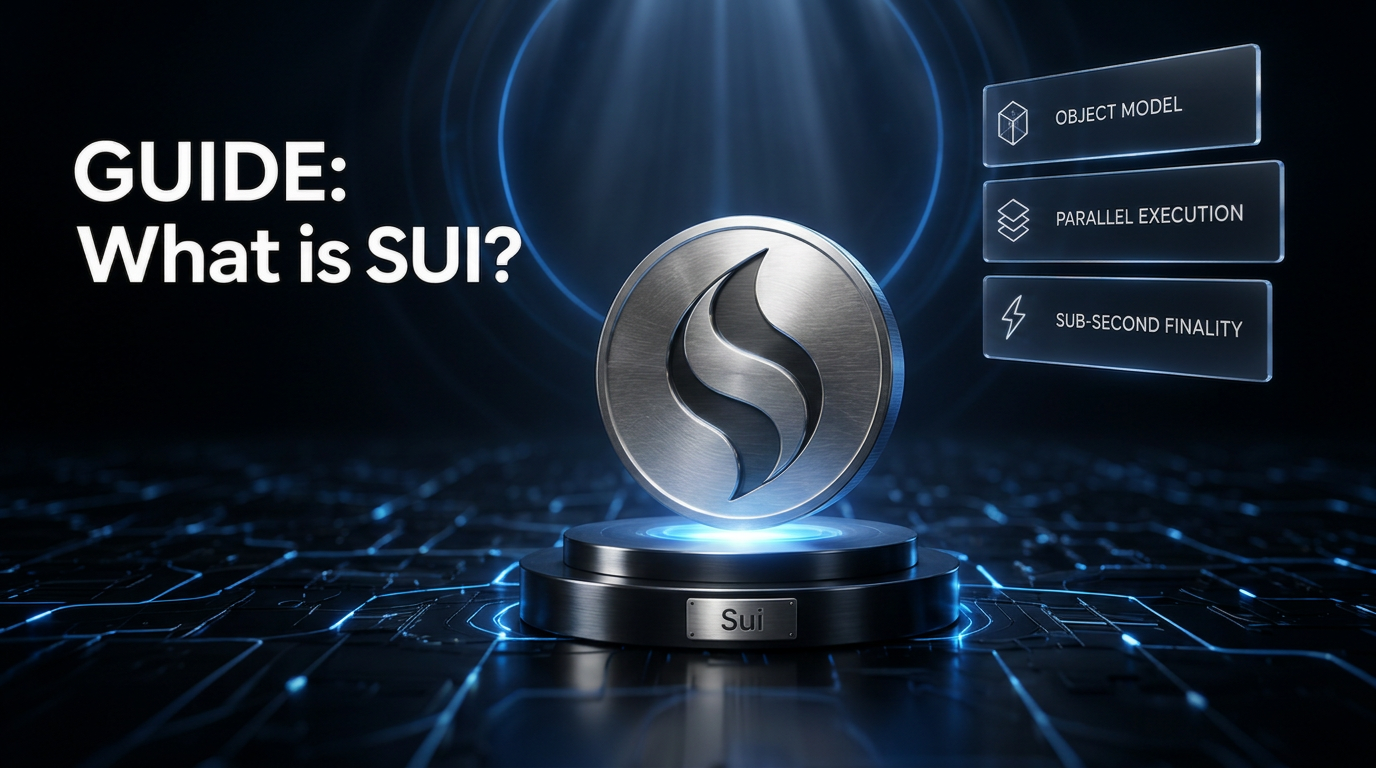 GUIDE: What is Sui?
Crypto stocks
Listed crypto companies with live share prices, charts and our own crypto index.
View crypto stocks
Crypto ETPs
The world's first database showing all crypto ETPs and crypto ETFs in the world.
View ETPs
Best Crypto Exchanges
Fully independent reviews and rankings of the world's best platforms for investing in crypto.
View exchangesHow to declare crypto in every country
Country-by-country crypto tax guide: rates, deadlines, forms and rules in Europe, the Americas and the Middle East. Choose your country.
View tax guide
Security
Bitcoin uses advanced cryptography to secure transactions. Every transaction is verified by the network and recorded permanently on the blockchain.
Decentralized
No single entity controls the Bitcoin network. It is operated by thousands of computers around the world, making it resistant to censorship and manipulation.
Limited Supply
There will never be more than 21 million Bitcoin. This scarcity is one reason Bitcoin is often compared to digital gold.
Fast Transactions
Bitcoin transactions can be sent anywhere in the world in minutes, at a fraction of the cost of traditional bank transfers.
How does Bitcoin work?
Blockchain: All Bitcoin information is stored on the blockchain, a public digital ledger that records every transaction made.
Mining: Bitcoin is created through a process called mining, where powerful computers solve complex math problems to verify and secure transactions.
Wallets: To use Bitcoin you need a digital wallet that stores your private keys — like a password that gives you access to your Bitcoin.
Transactions: When you send Bitcoin, you sign the transaction with your private key, and the network verifies that the transaction is valid.
Why is Bitcoin important?
Bitcoin represents a fundamental shift in how we think about money. It offers:
- •Financial freedom and control over your own money
- •Protection against inflation through limited supply
- •Access to financial services for people without bank accounts
- •Cross-border payments without intermediaries
- •Transparency and traceability of transactions