GUIDE: How a cryptocurrency exchange works
Buying cryptocurrencies today is very similar to buying stocks from your bank's app: you open an account, deposit money, and press buy. Here we explain what happens internally, how prices are formed, and on which European licensed platforms you can do it.
An exchange is a marketplace, not a store
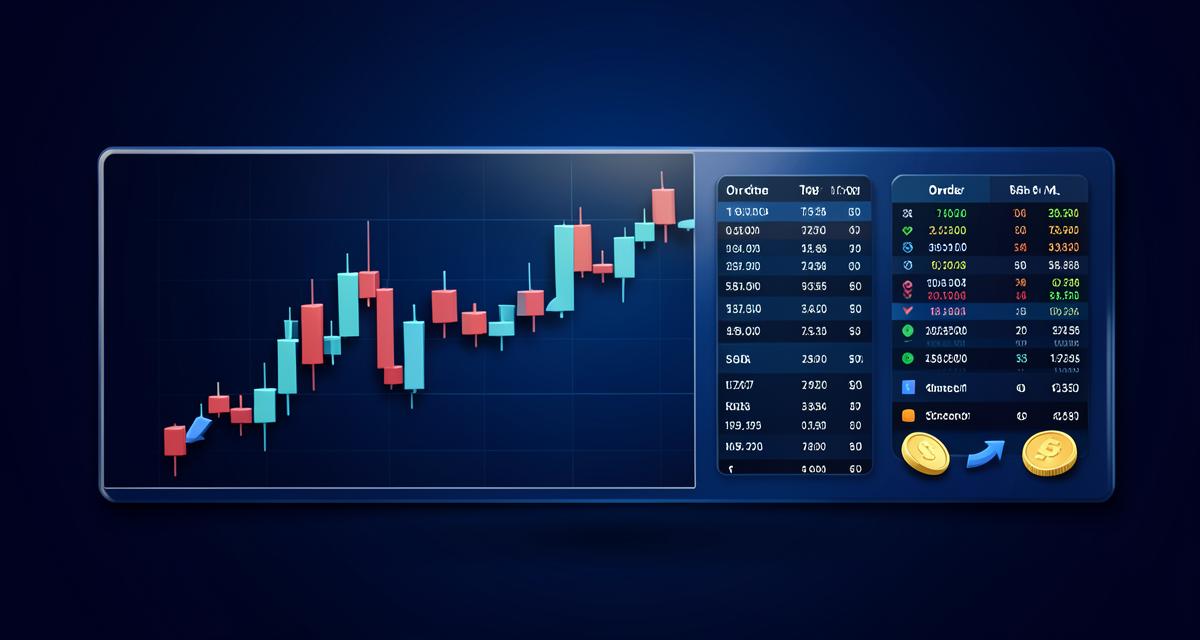
A cryptocurrency exchange is a marketplace where buyers and sellers meet. The platform doesn't sell you its coins: it connects your buy order with another person's sell order and charges a fee for doing so. It's exactly the same model as a stock exchange.
This meeting is organized in the order book. On one side are the buy orders with the maximum price each person is willing to pay; on the other, the sell orders with the minimum price they accept. When both match, the operation is executed, and that last price is what you see on the screen as the quote.
There are two basic order types. A market order executes instantly at the best available price: this is what most people use when buying from their mobile. A limit order only executes if the market reaches the price you set, and is useful when you're not in a hurry.
The difference between the best bid and the best ask is called the spread. For Bitcoin or Ethereum, it's tiny because there's a lot of volume; for smaller coins, it can be wide, and that's where inexperienced buyers unknowingly lose money.
It's as easy as investing through your bank
If you've ever bought a fund or a stock from your bank's app or a broker, you already know how to use an exchange. The process is the same: you register, verify your identity with an ID document and a selfie, deposit euros via transfer, card, or Bizum depending on the platform, choose the currency, and confirm the purchase. The operation takes seconds.
There are three differences. The first is operating hours: the crypto market never closes, not on weekends or holidays. The second is that you can buy very small fractions, so you don't need a thousand euros to start; twenty is enough. The third is custody: afterwards, you can leave the coins on the platform or withdraw them to your own wallet, something that doesn't exist with stocks.
Commissions typically range from 0.1% to 0.5% per operation in the regular market, and significantly more if you use the quick buy button with a card. It's always worth checking the market rate instead of the simplified mode.
MiCA-licensed exchanges in Europe
Since MiCA came into force, any platform wishing to offer crypto-asset services in the European Union needs a license from a national supervisor. This license requires separating client funds from company funds, maintaining own capital, auditing cybersecurity, and offering a formal complaint channel.
Among the platforms with a European license, you'll find Nordic names like Firi (Norway), NBX (Norway), or Coinmotion (Finland), and large international companies authorized in the Union such as Bybit, OKX, Coinbase, or Kraken. All of them operate under the supervision of a European authority and publish their license details in the footer.
Our recommendation is simple: always check the legal name of the company and its registration number before depositing money. If a website claims to be "regulated in Europe" without specifying the country or registration number, it isn't.
Buying cryptocurrencies at MiCA-licensed neobanks
You don't need to open an account on a specialized platform to get your first coins. Neobanks and digital banks like Revolut or Lunar allow you to buy and sell cryptocurrencies from the same app where you have your current account, using the same identification process you already completed when signing up.
The advantage is convenience: everything is in one place, and depositing euros is immediate. The drawbacks are that commissions are usually higher than on an exchange, the selection of coins is more limited, and in many cases, you cannot withdraw coins to your own wallet, so the balance remains within the bank.
An interesting intermediate case is Bitpanda, the Austrian platform with a MiCA license. It started as a pure crypto exchange, but for some years now, it has been a multi-asset platform where, in addition to crypto, you can invest in stocks, ETFs, gold, and silver from the same account. For those who want to keep their entire portfolio in one place, not just cryptocurrencies, it's an option to consider.
Whatever the method, the criteria are the same: European license, clear commissions, and if you plan to hold a significant amount long-term, consider moving the coins to your own wallet.
Custody, security, and what to look for before choosing
When you buy on an exchange, the coins remain in the platform's wallets, and you have an accounting entry in your name. It's convenient, but it means you depend on the company's solvency and security. The classic industry saying—if it's not your keys, it's not your coins—is still valid.
Serious platforms store most funds in cold storage, offline, publish proof of reserves, and offer two-factor authentication. Always activate this verification with a code app, not via SMS, and use a unique password for the exchange.
When choosing, look at five things: European license, actual market commissions, available coins, euro deposit methods, and support quality when something goes wrong. That last point is the most underestimated and the most important on the day you have a problem.
Our practical guide walks you through your first purchase on a licensed platform, from registration to withdrawal to your own wallet.
How to Buy Your First Cryptocurrency